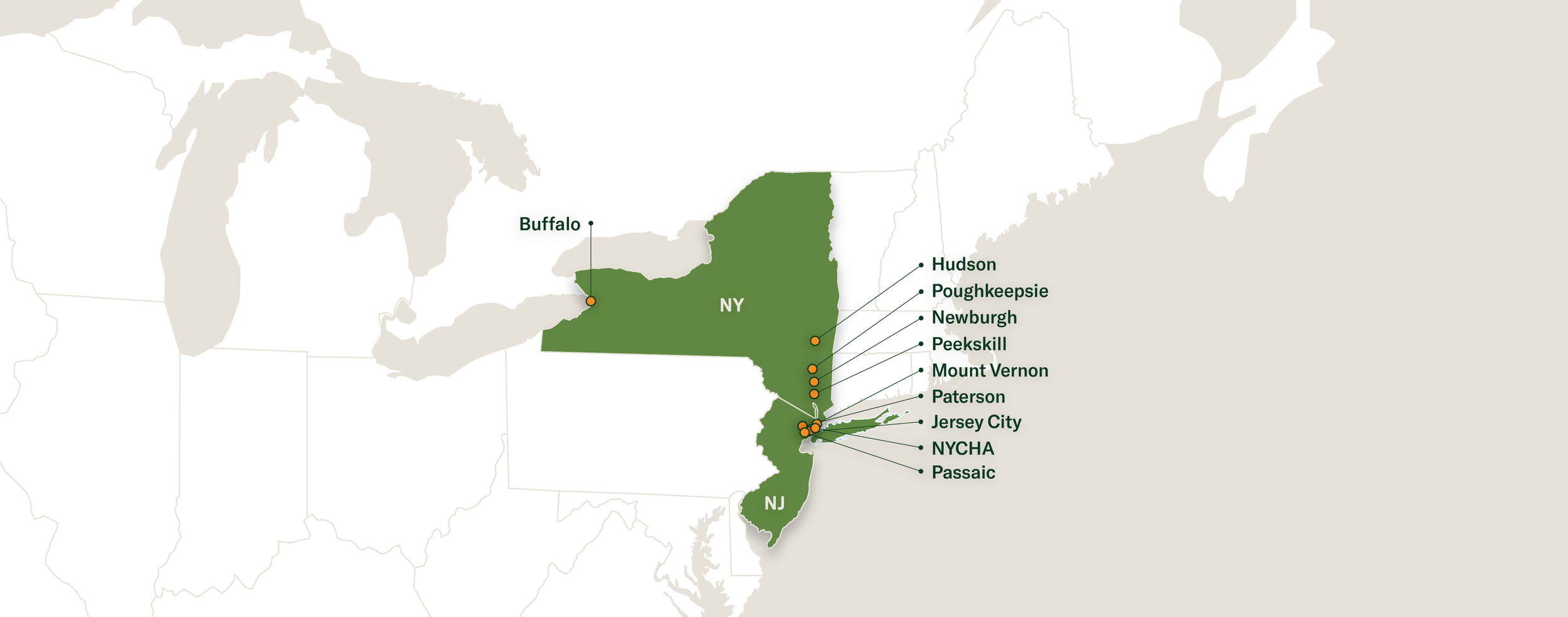
Our Cities
Buffalo
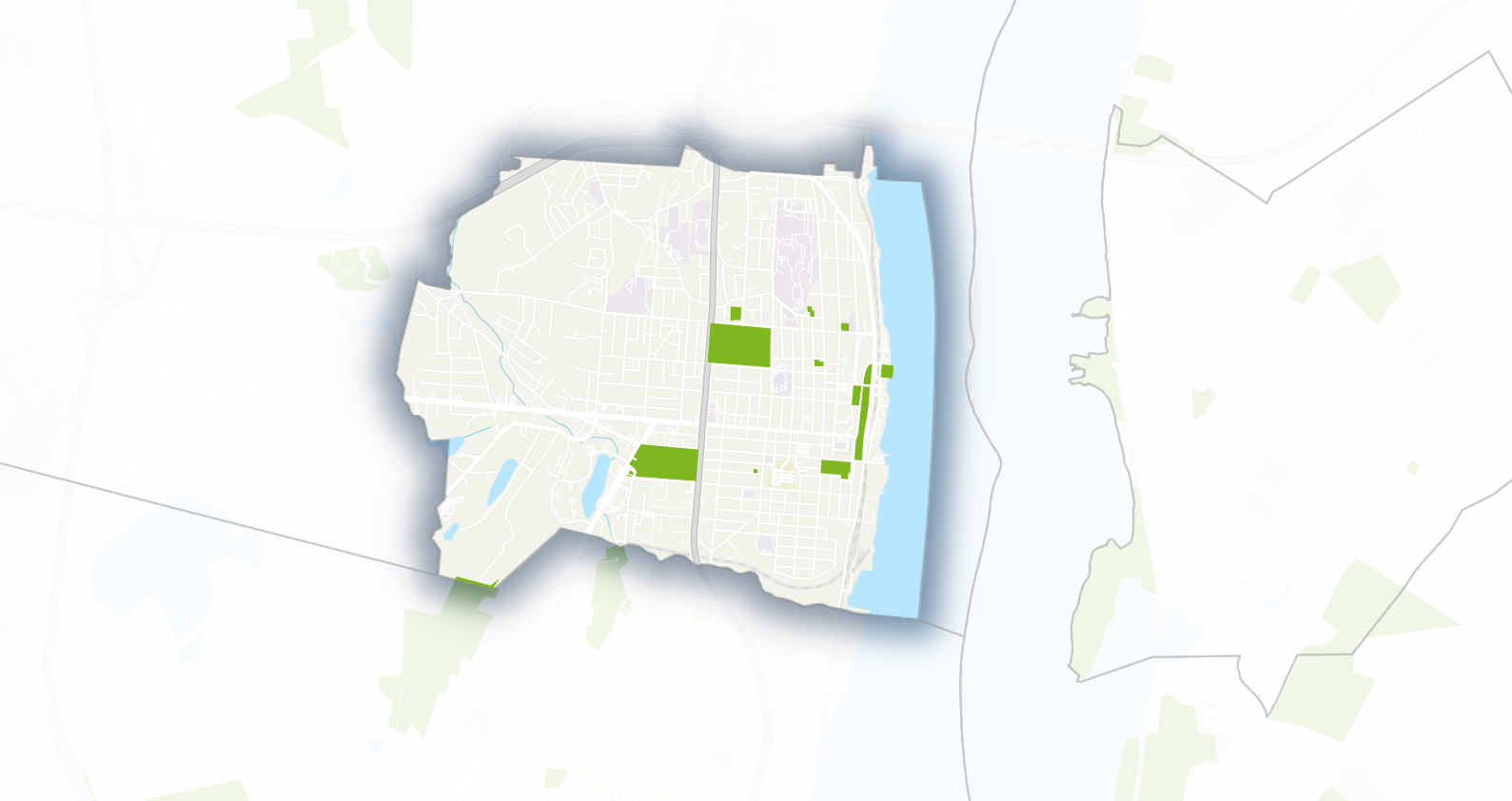
Hudson
Jersey City
Mount Vernon
Newburgh
NYCHA
Paterson
Passaic
Poughkeepsie
Peekskill
How we select our cities
Small city governments work at a scale that can make real differences in the lives of their residents but often face ‘big city’ problems with fewer resources at their disposal. NCP bridges these gaps, partnering with mayors and administrations who are fully committed to improving parks for their lowest income residents. Our selection process begins with GIS (Geographic Information Systems) mapping that provides us with need based demographic data – poverty and diversity, health disparities, and natural and built environmental challenges related to lack of parks. This research is then followed by site visits and meetings with mayors, government leaders, and community partners to understand their needs and priorities. We listen, we assess, and we determine if we can deliver the community’s vision by working with the city government to enhance their capacity to deliver results.
Buffalo
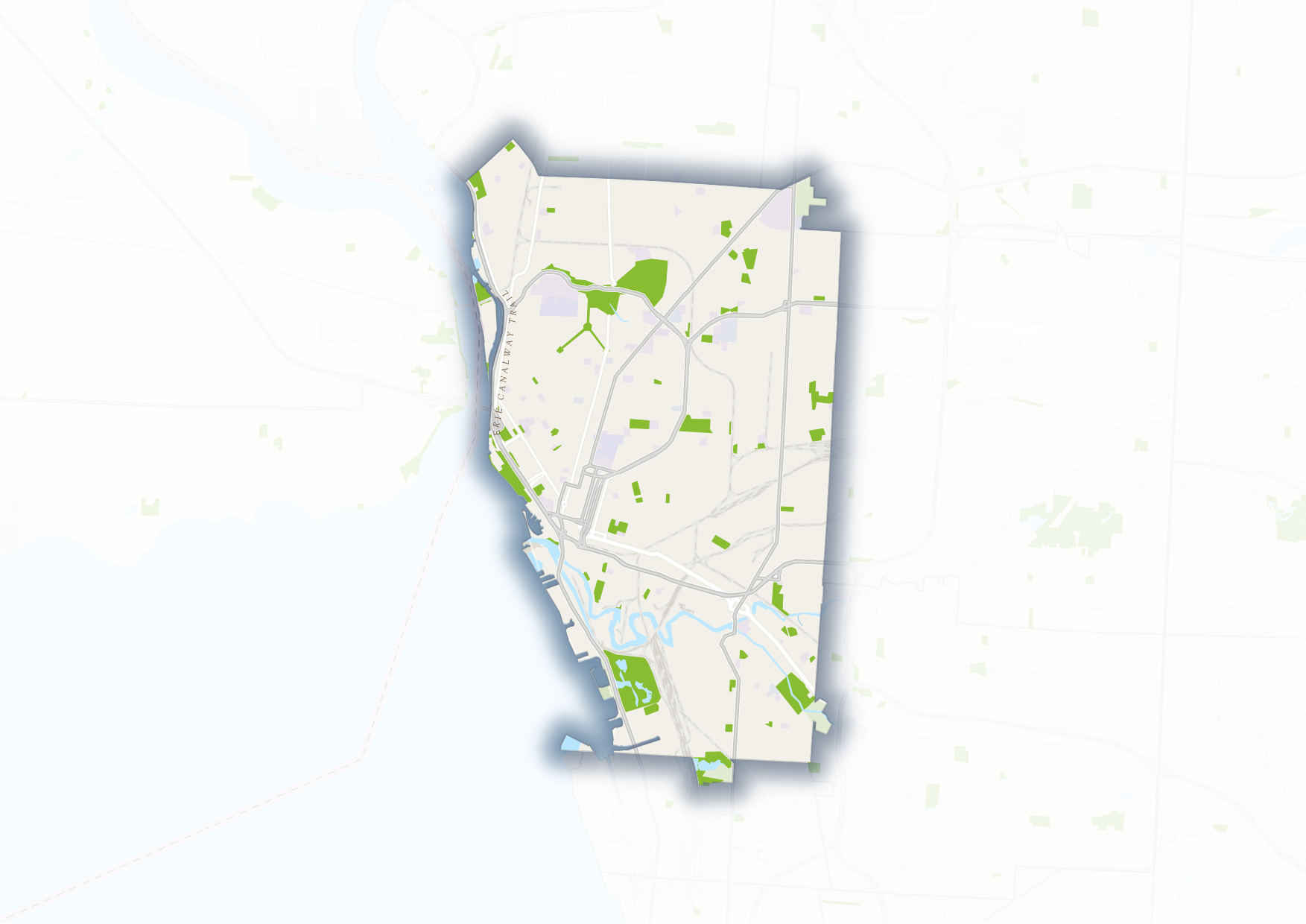
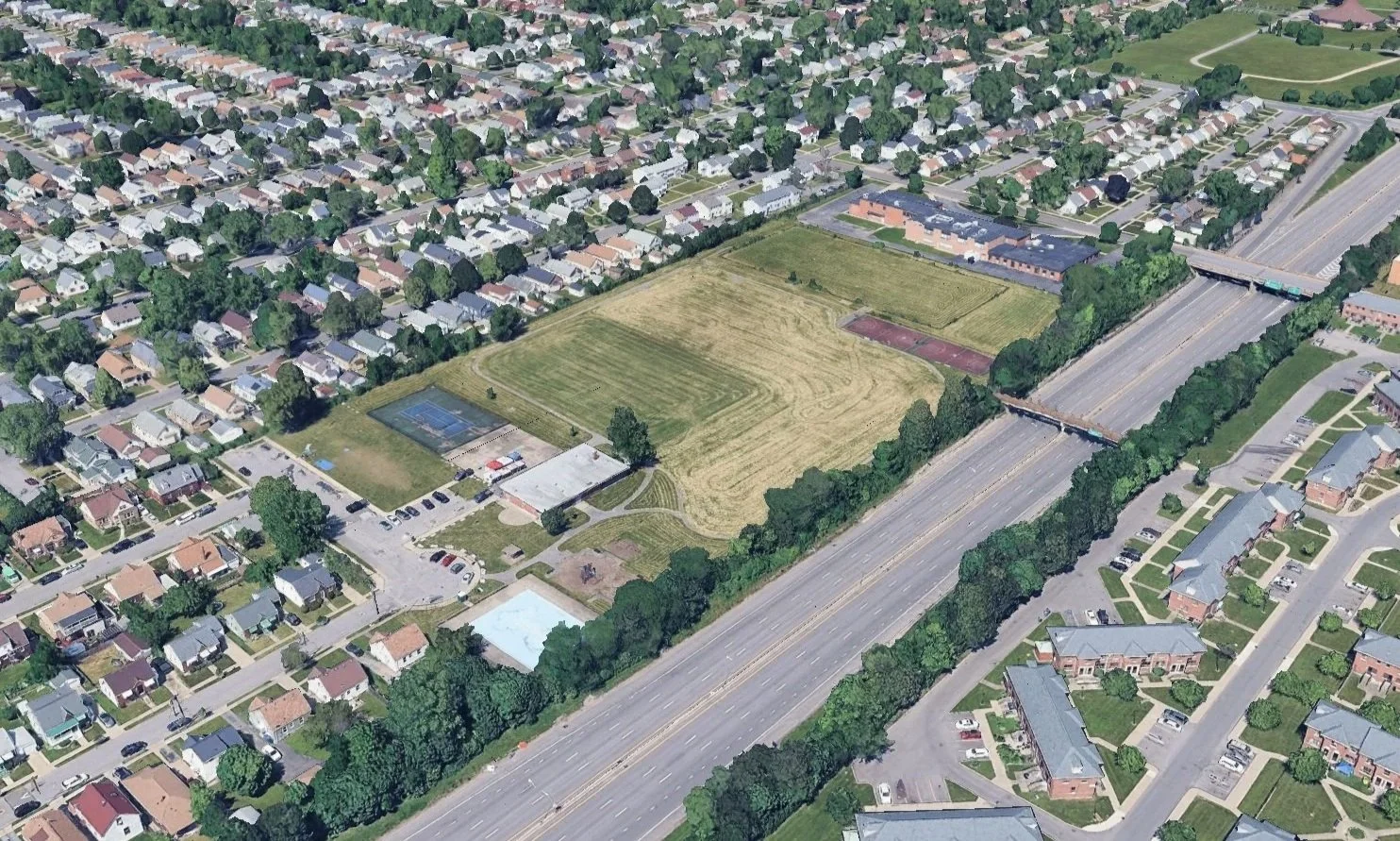
Perhaps more than any other city in the nation, Buffalo has been shaped by its parks. The urban park system designed by Frederick Law Olmsted in 1868, which aimed to make Buffalo a “city within a park,” provided a structure that endures to this day. The construction of the Erie Canal made the city a hub of wealth and progress, but the decline of industry has reduced the city’s population, creating under-resourced downtown neighborhoods. NCP is leading the transformation of three inner city parks.
276,618
Population
23%
Poverty
Hudson
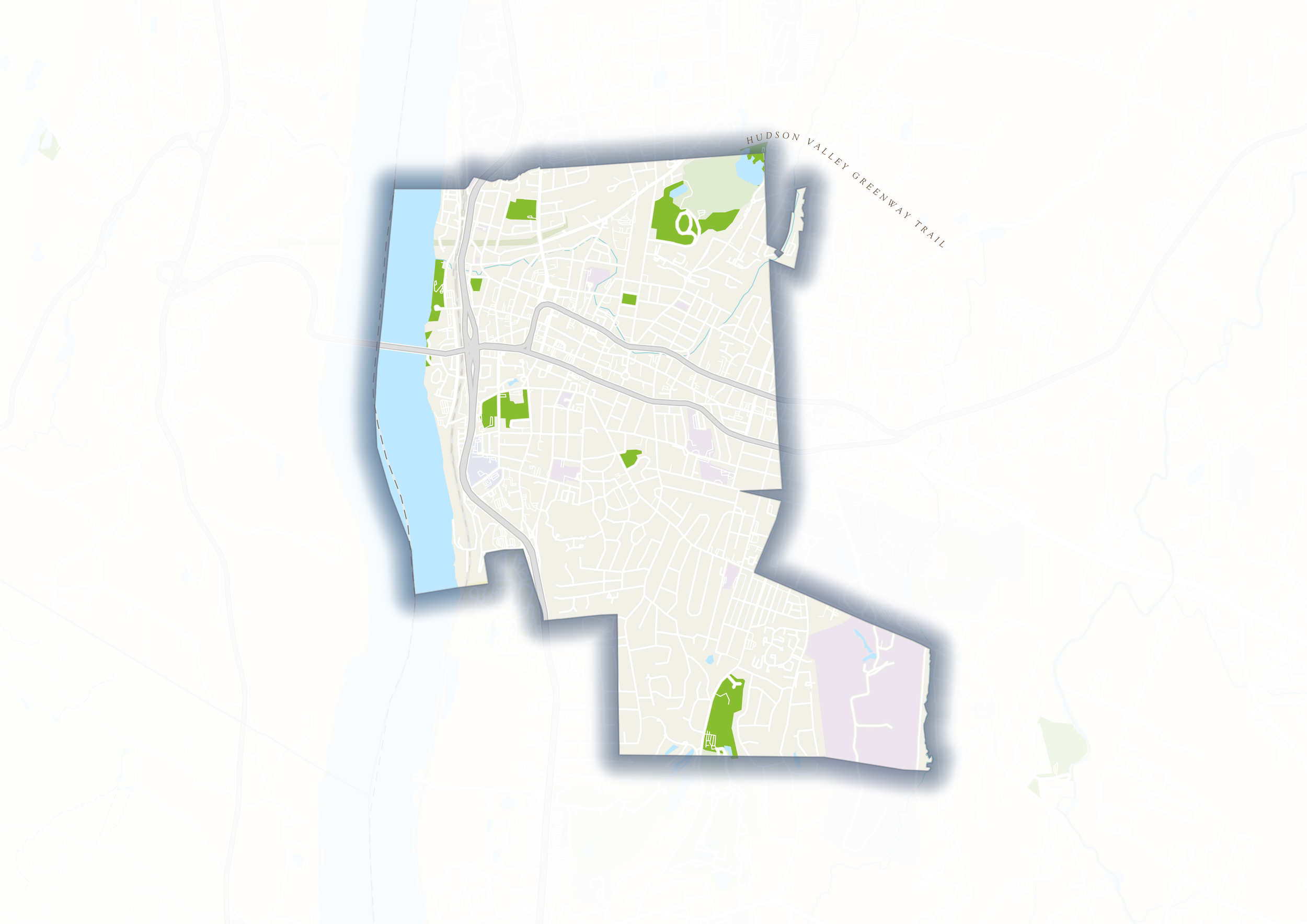
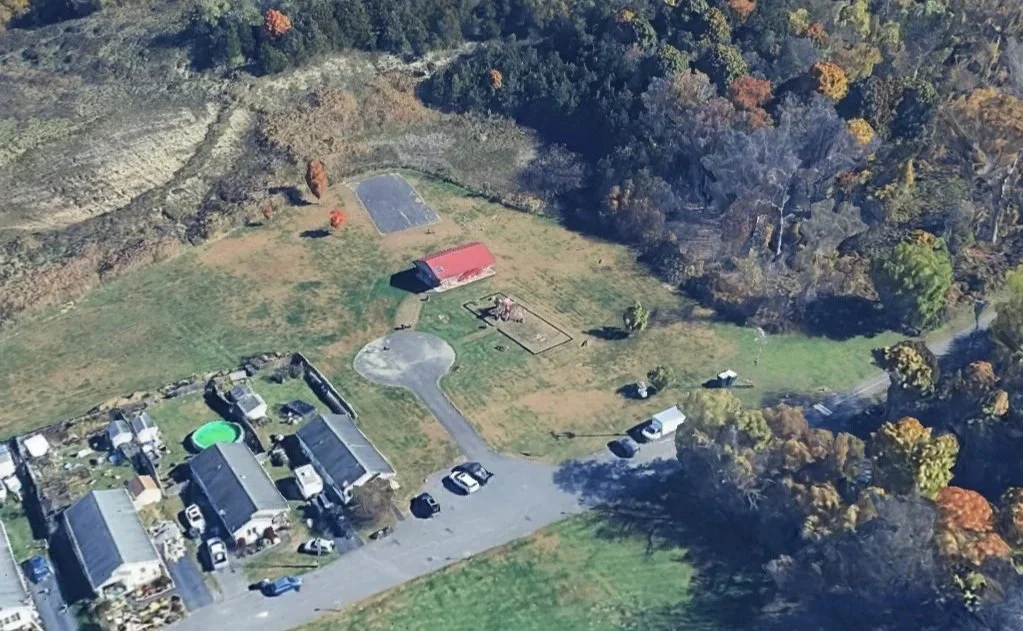
The historic riverfront City of Hudson is undergoing a transformation driven by a combination of economic development, community initiatives, and changes in its cultural landscape. This transition presents challenges for the city and its residents, a significant portion of whom are low income. Almost a quarter of the population lives below the poverty line, and many more are rent burdened and vulnerable to rising housing costs. Park facilities for lower income residents – especially recreation facilities for youth – are dilapidated and need attention. NCP is partnering with two local nonprofit organizations to expedite the improvement of two parks.
5,865
Population
28.2%
Poverty
Jersey City
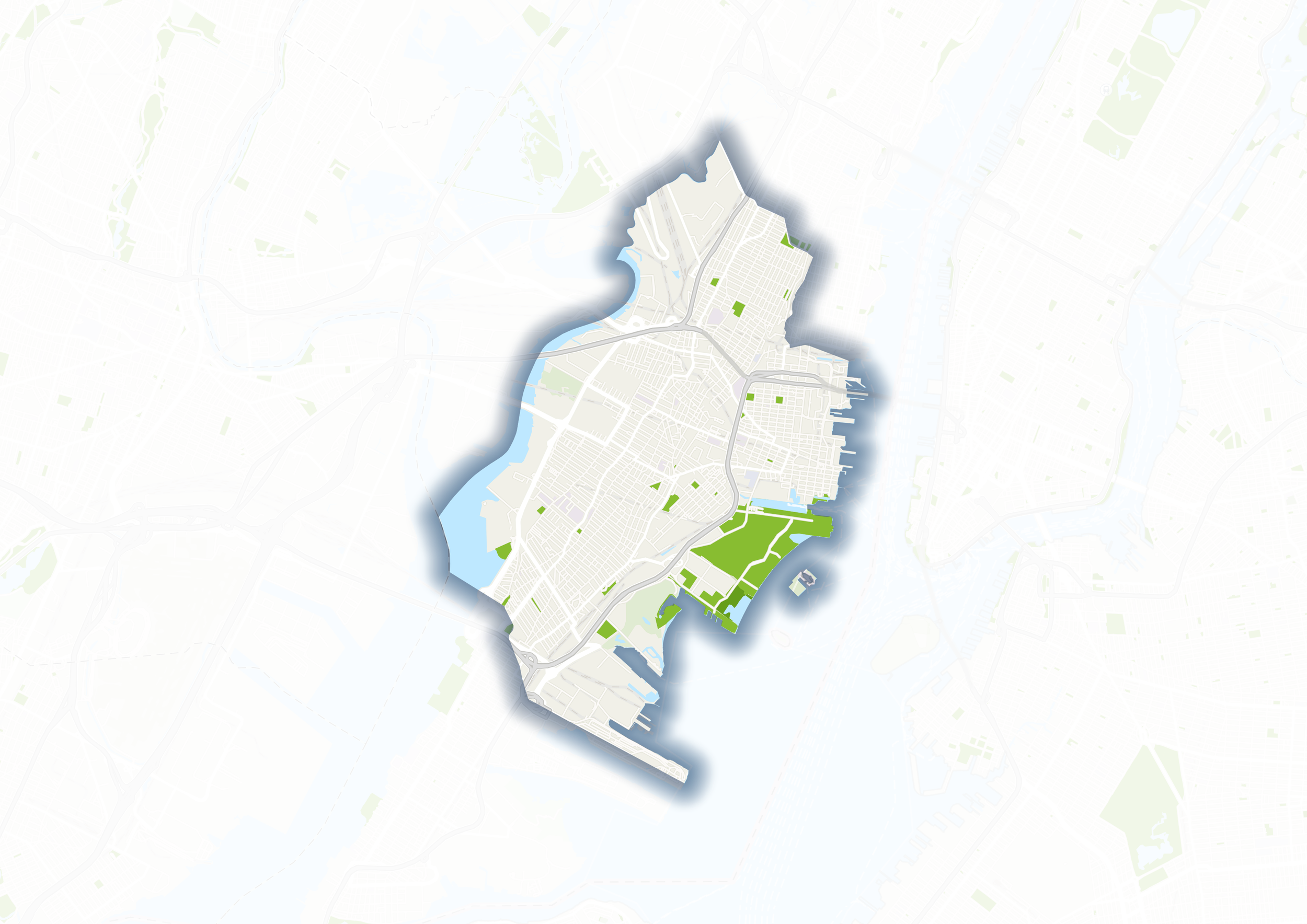
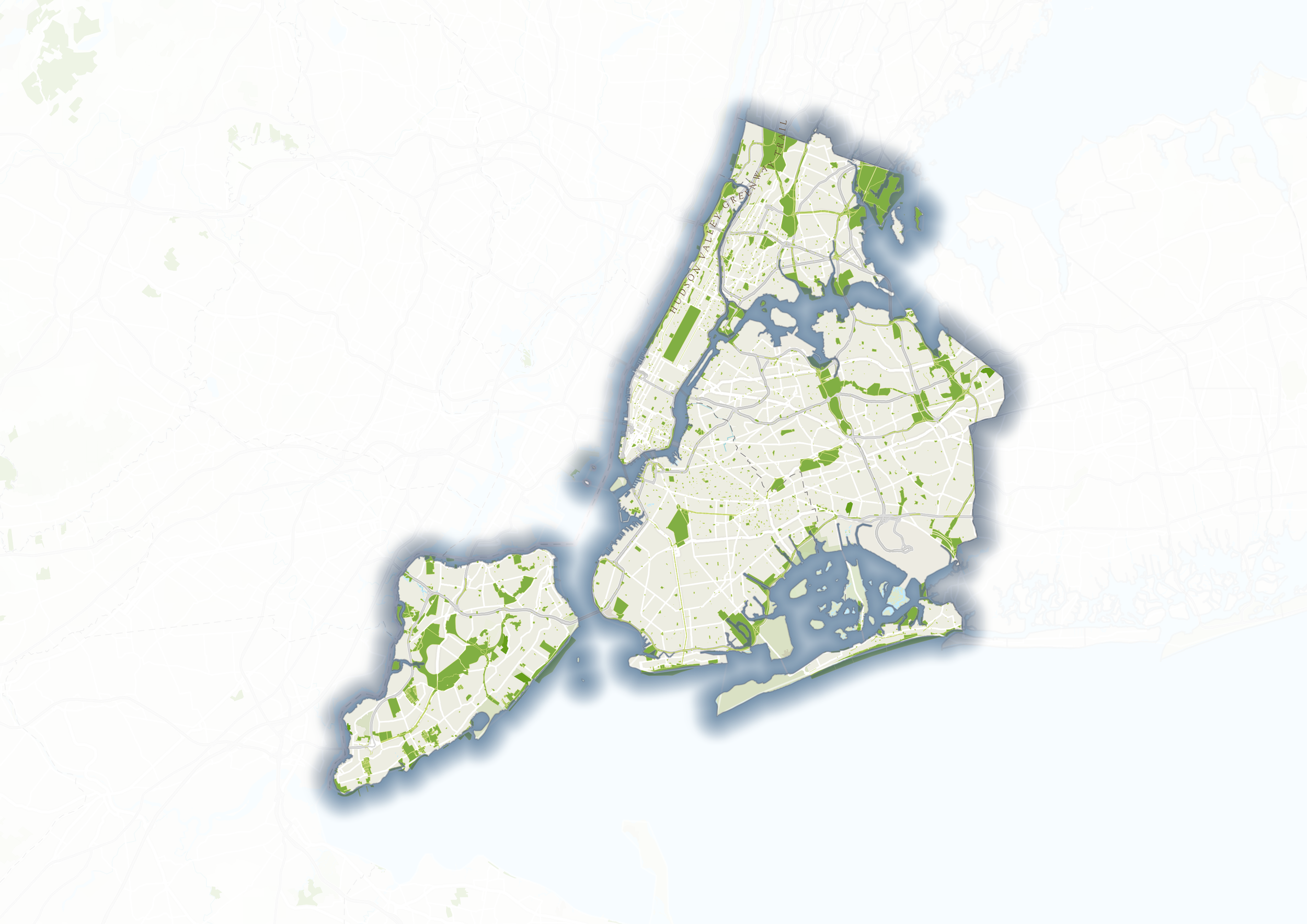
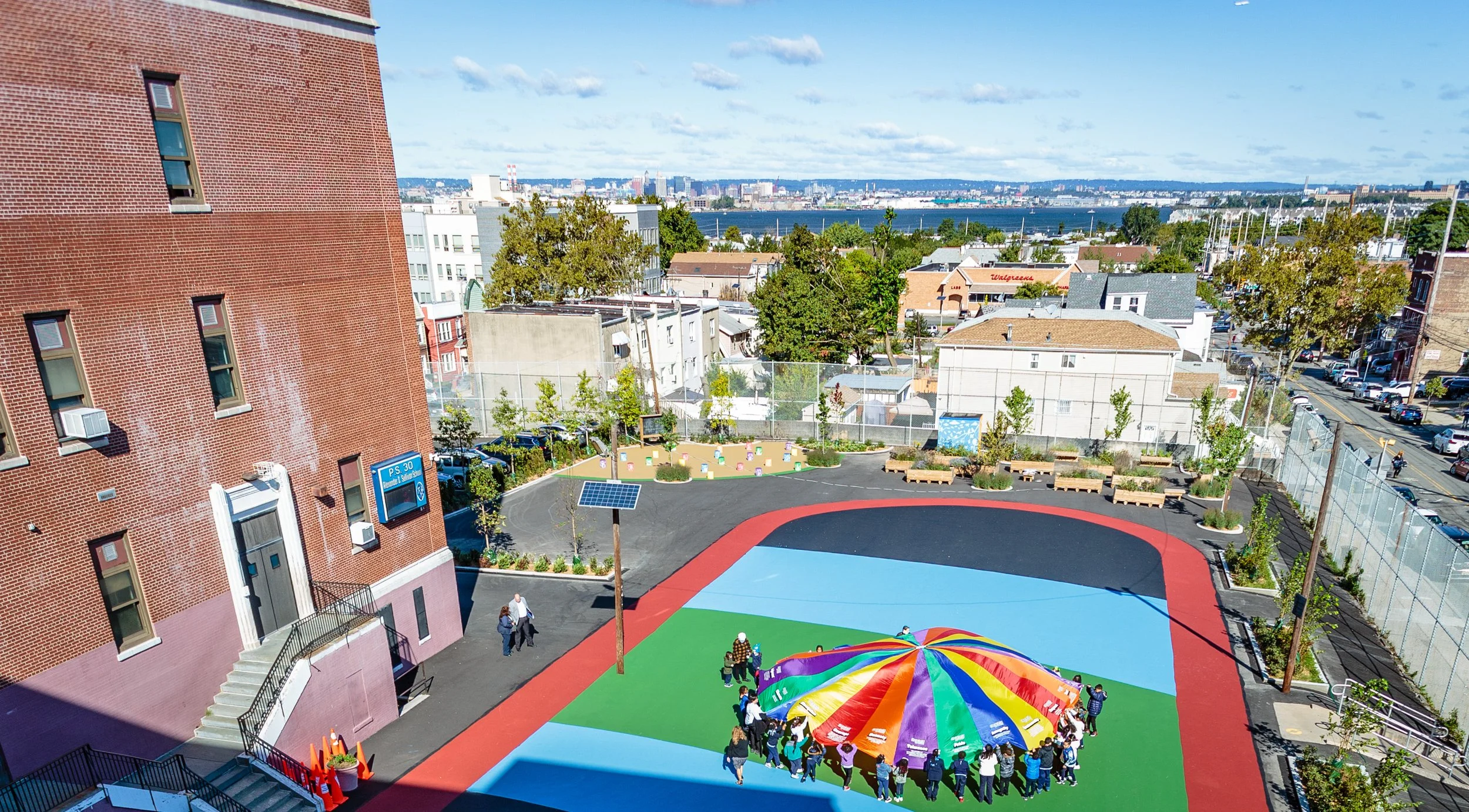
Jersey City is the second most populous city in New Jersey. Located on the Hudson River, it is a vibrant place with one of the most diverse populations in the region, several major employers and anchor institutions, and a robust public transit and highway network connecting it to New York City and the rest of the Garden State. While home to some 70 municipal parks, large swaths of the population do not have easy access to open space. NCP is harnessing the power of previously barren school yards to provide well designed green spaces within easy walking distance.
302,822
Population
16.1%
Poverty
Mount Vernon
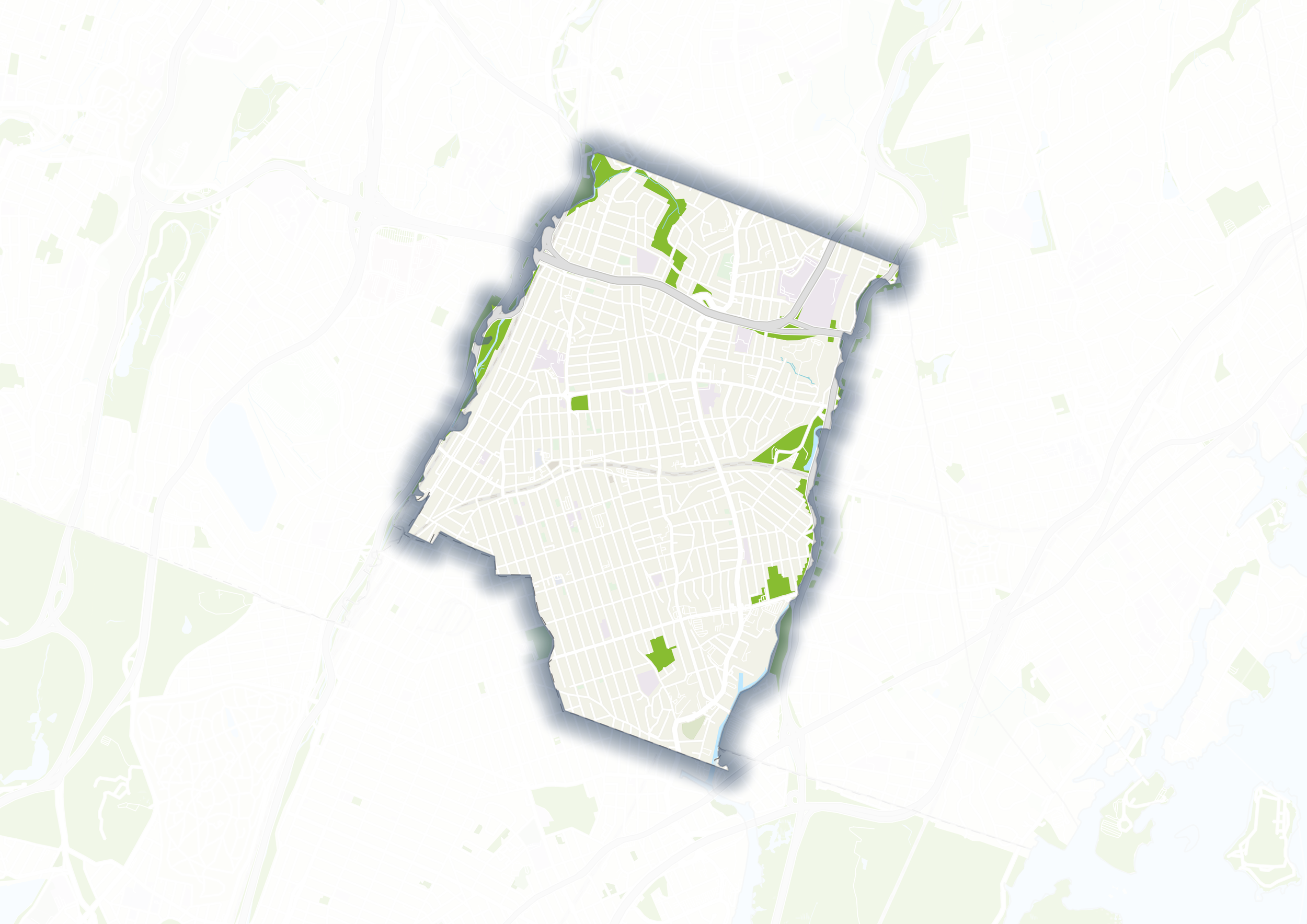
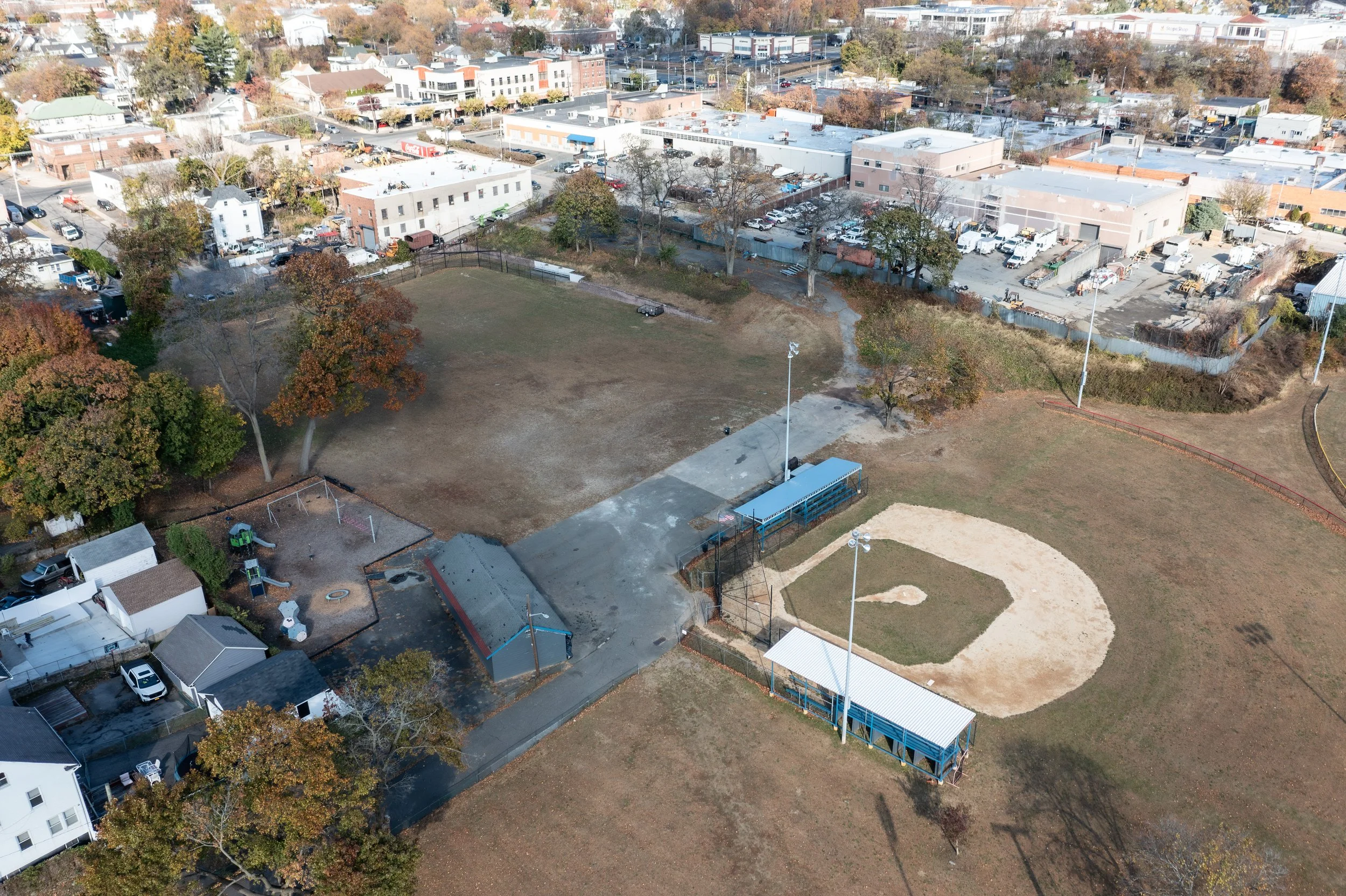
Mount Vernon is a diverse community of just four-square miles. It is the 8th largest city in NYS and 2nd most densely populated. Its strategic geographic location in southern Westchester County has long been a double-edged sword. Less wealthy than its more suburban neighbors, its proximity to New York City leads to its high density and cost of living. Without NYC’s financial and municipal resources, over 23% of children (population under 18) live in poverty.
71,982
Population
16.8%
Poverty
Newburgh
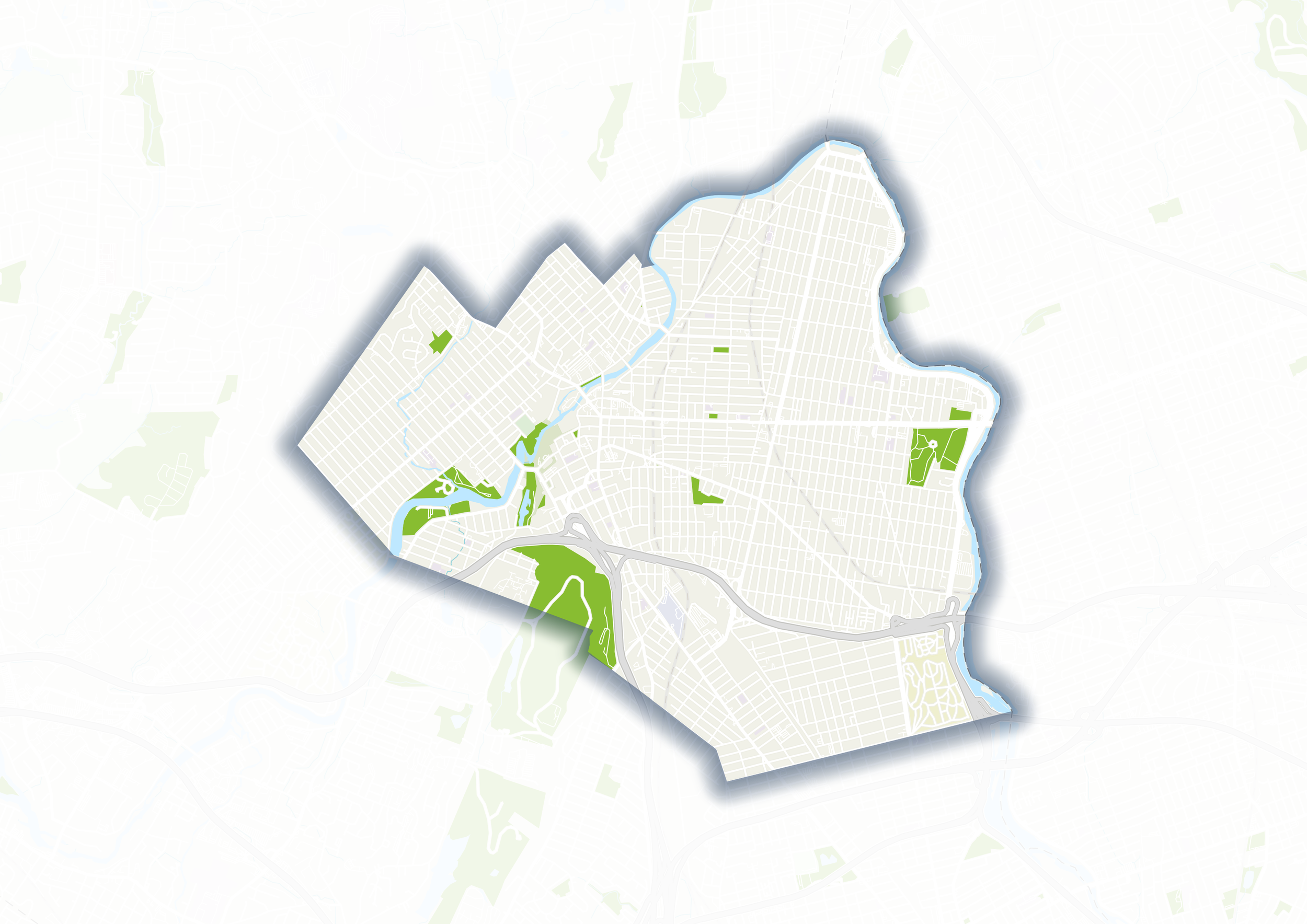
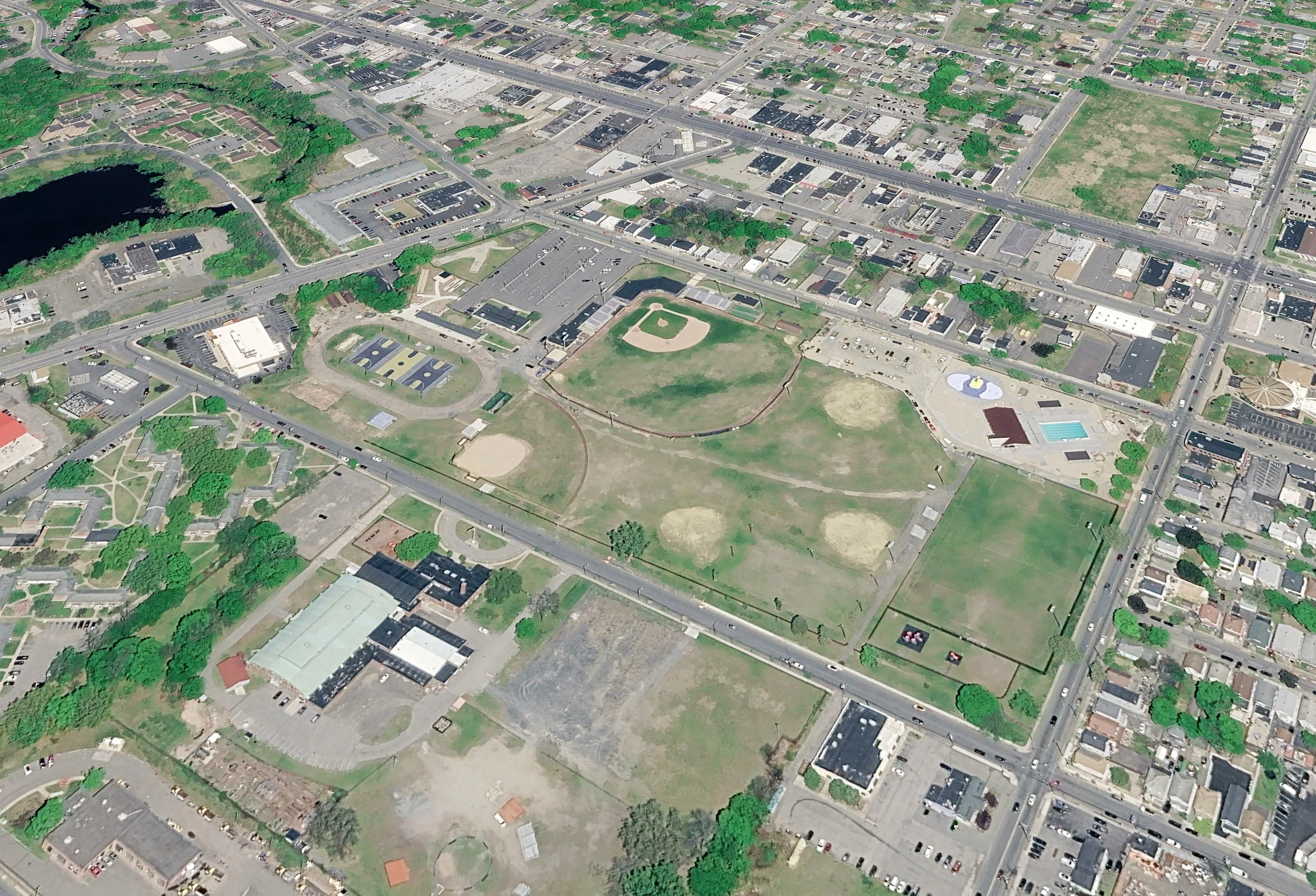
One of the most culturally diverse communities in the Hudson Valley, Newburgh was once a thriving industrial and commercial center. Like many cities, Newburgh has navigated decades of economic challenges following mid-twentieth century deindustrialization, loss of the Stewart Air Force Base, and highways that severed historic commercial corridors. Today, the city has a growing creative economy, a strong network of community-based organizations, and is investing in quality-of-life for its residents.
28,059
Population
16.3%
Poverty
NYCHA, New York City
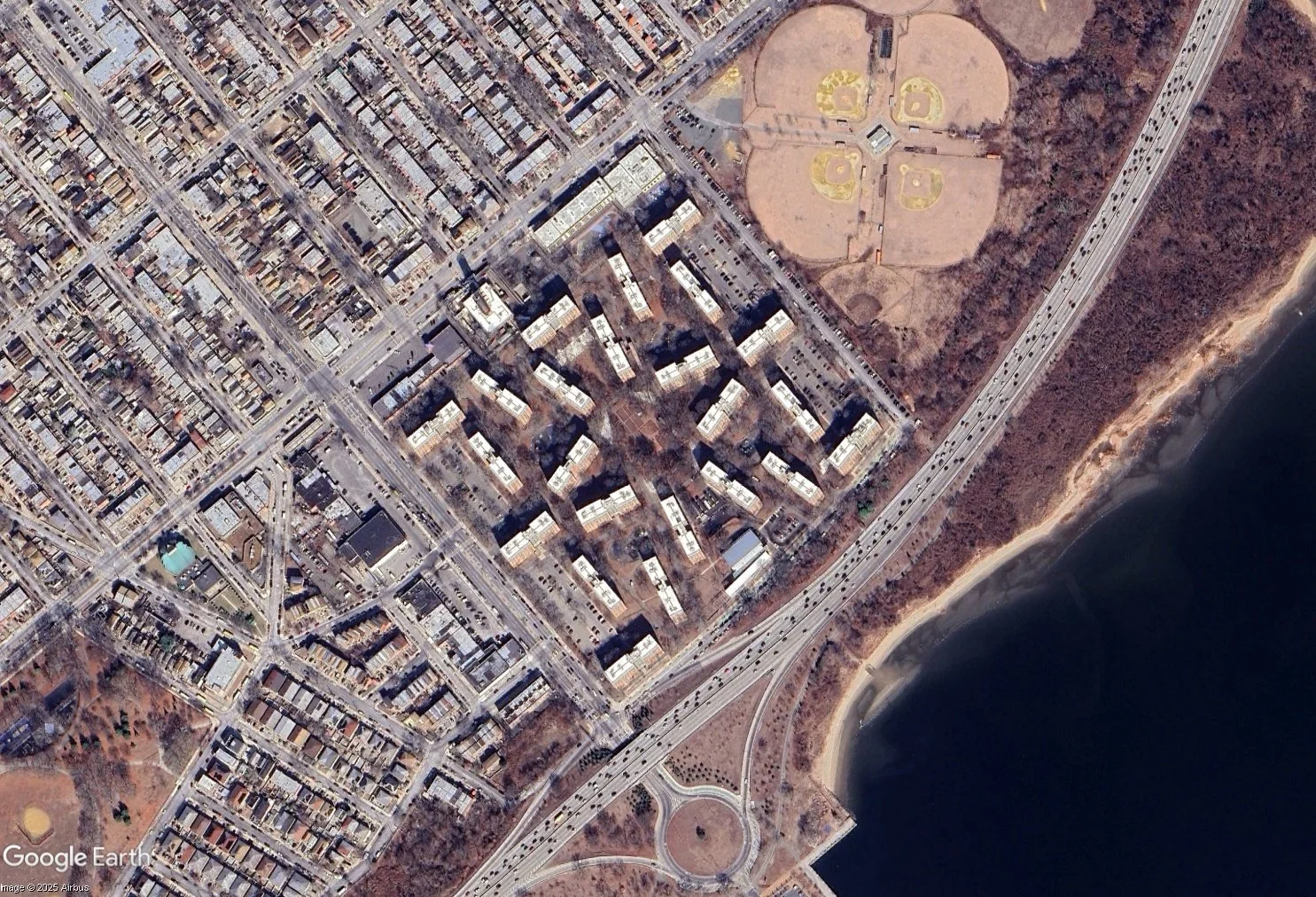
Often referred to as a “small city within the City,” NYCHA is home to 1 in 17 New Yorkers, providing affordable housing to over half a million residents. NYCHA’s campuses total 2,473 acres, but residential towers are too often surrounded by asphalt and dustbowls. Advocates have long wanted to transform these neglected campuses into vibrant and welcoming green spaces. We now have a unique moment of opportunity.

Passaic
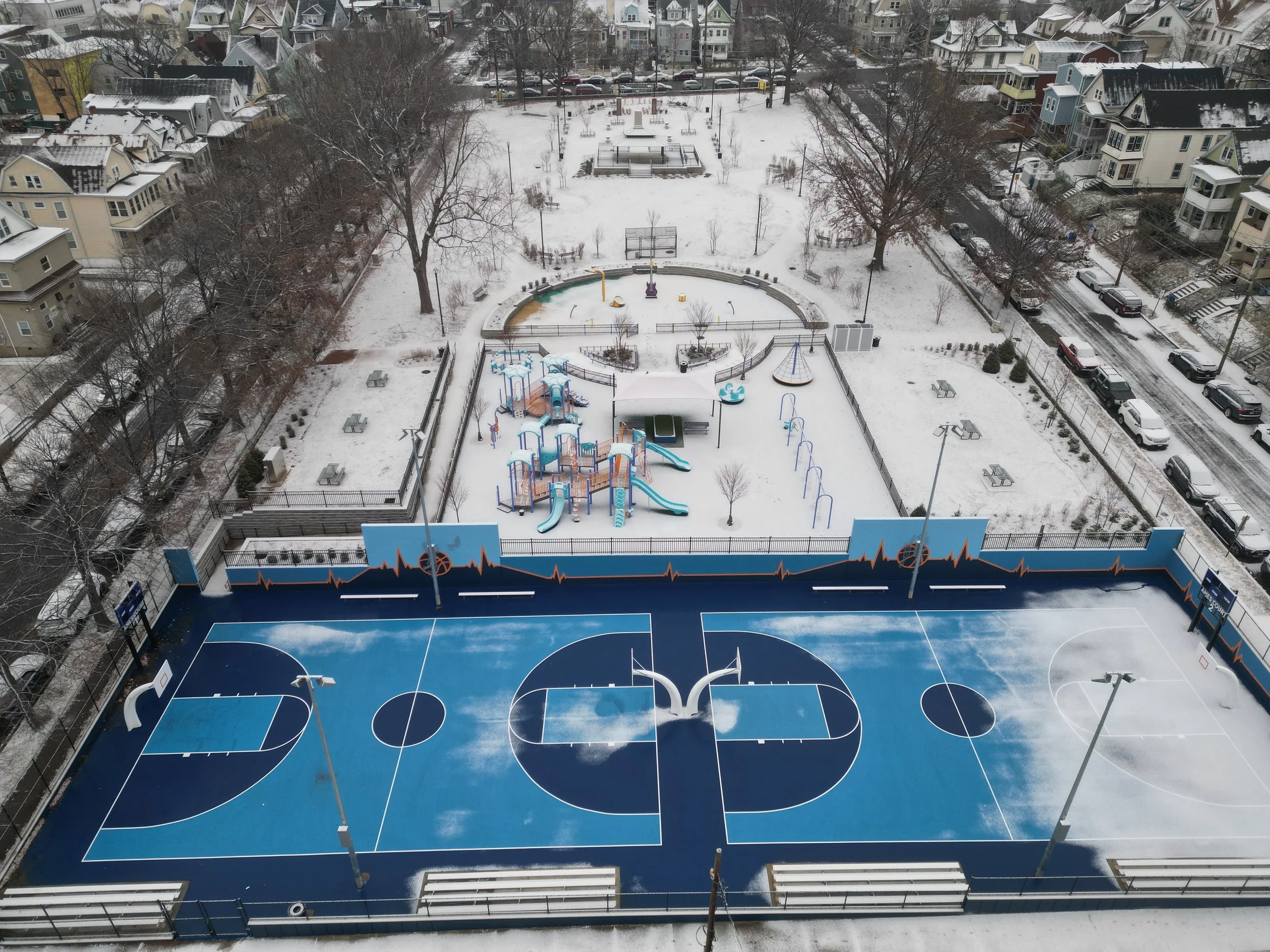
Located north of Newark on the Passaic River and covering 3.24 square miles, Passaic is the 16th most populated municipality in the state of New Jersey. Historically, Passaic’s population was predominantly Eastern European and helped grow Passaic into a textile and metalworking center in the 19th century. In the 20th century, it also came to be referred to as the “birthplace” of television after the DeForest Radio Corporation transmitted the first television program to the home and later broadcasted a feature film. Like many cities in the Northeast, the manufacturing prosperity did not last, and Passaic struggles to maintain its infrastructure, including its parks.
70,730
Population
22.7%
Poverty
Paterson
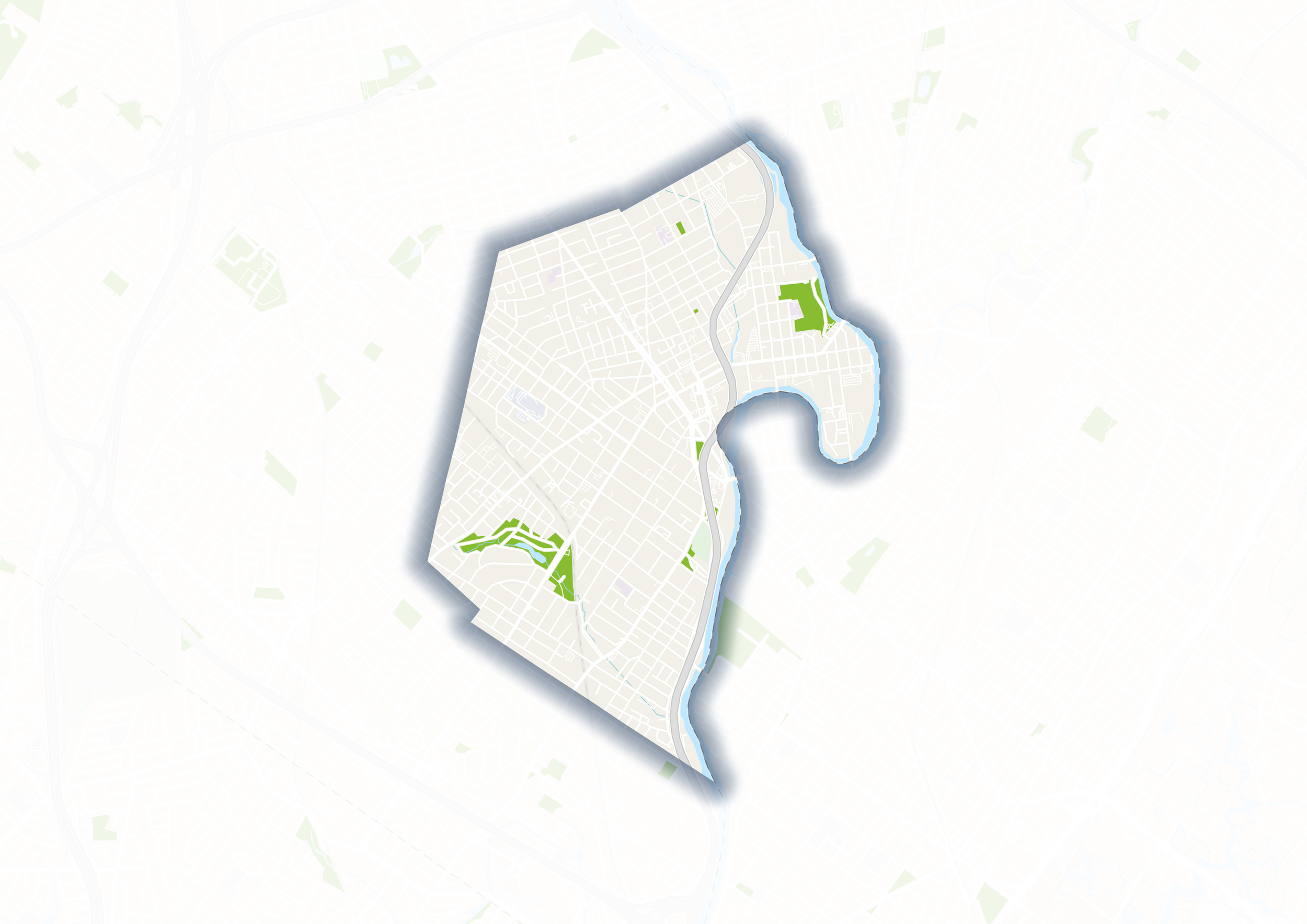
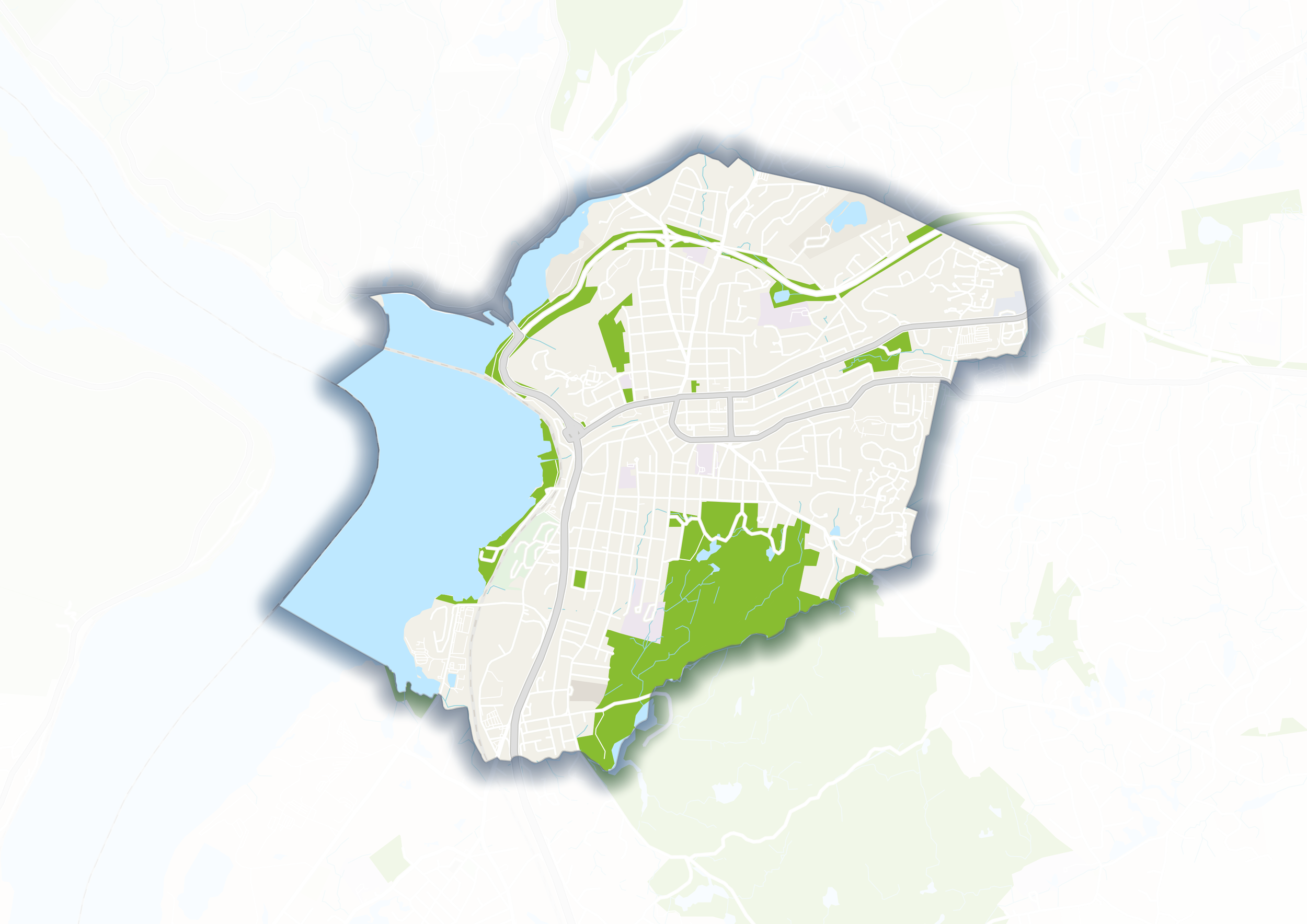
Paterson was once called “Silk City” for its dominant role in silk production in the late 19th century. The city is considered to be the cradle of the American Industrial Revolution due to the formidable power generated by Paterson’s Great Falls on the Passaic River. Like many cities in the Northeast, this prosperity did not last and the city of Paterson struggles to maintain its infrastructure, including its parks.
160,446
Population
18.3%
Poverty
Peekskill
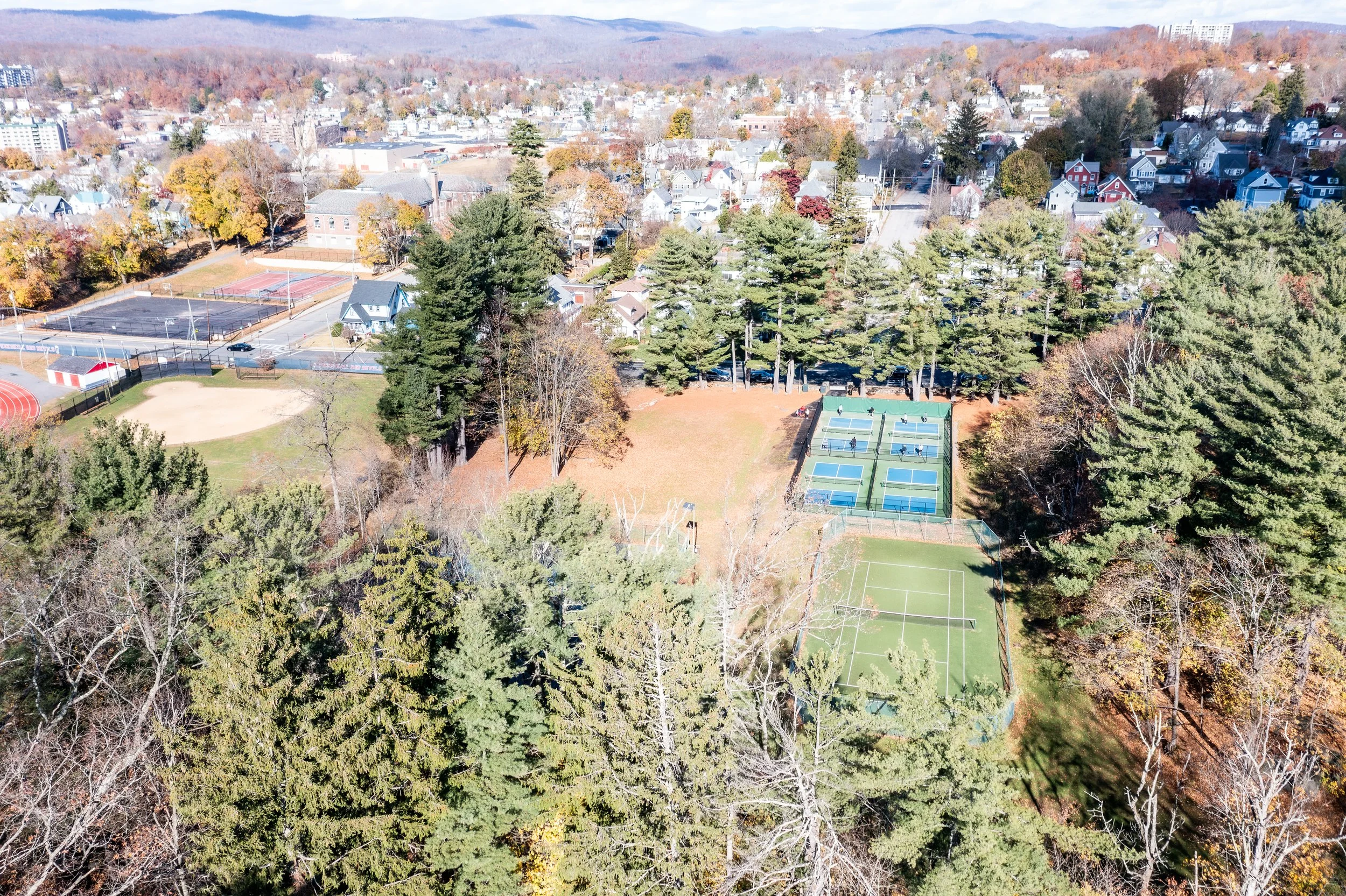
Peekskill, a densely populated city in northern Westchester County, serves as the gateway to NY’s Hudson Highlands region. While it is among the top ten fastest growing cities in the entire state and is undergoing population shifts driven by young families and immigration, areas of economic disparity persist – especially downtown. Access to outdoor recreation is severely hampered by poor condition and lack of relevancy to current demographics.
25,625
Population
11.9%
Poverty
Poughkeepsie
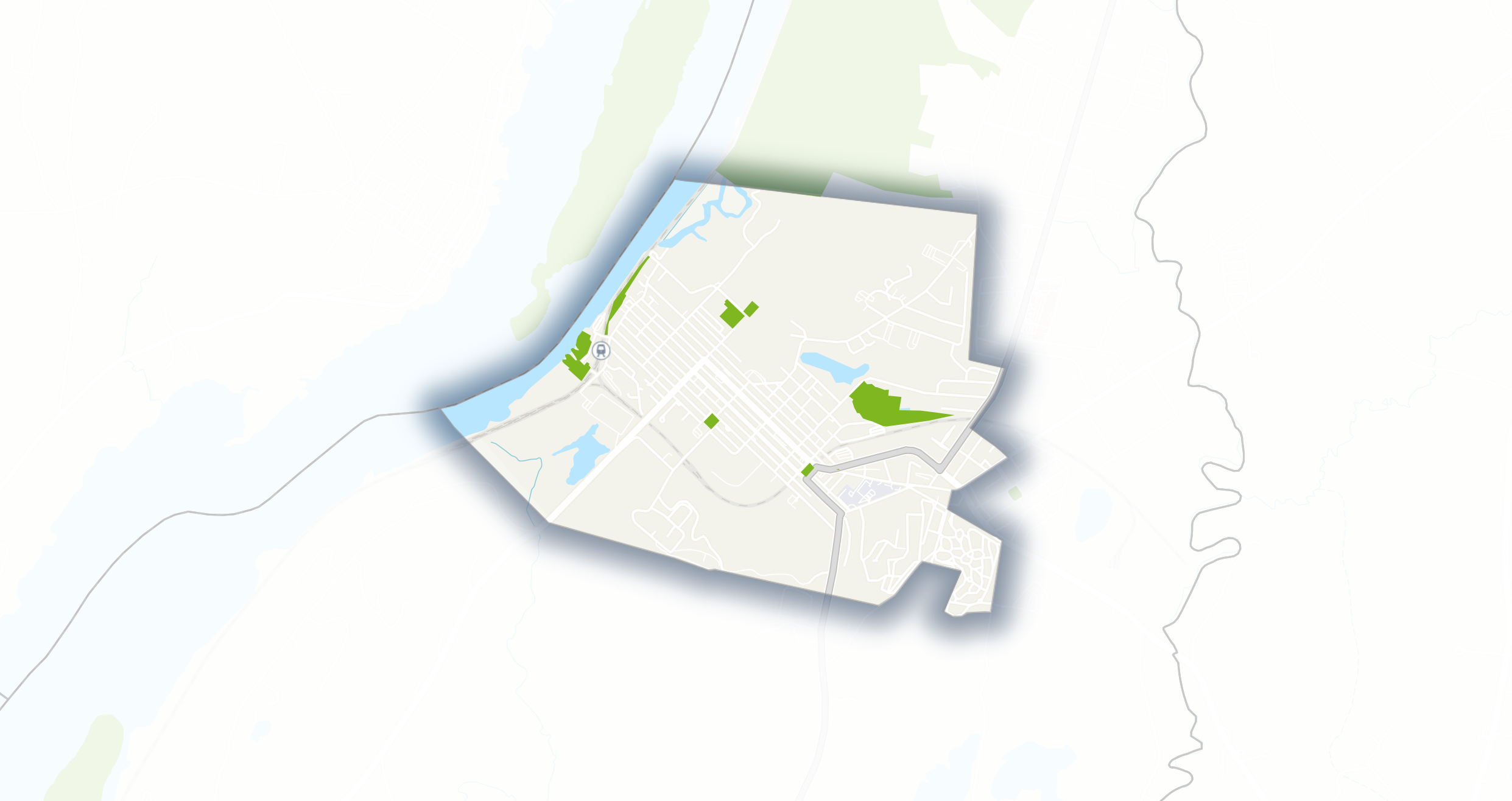
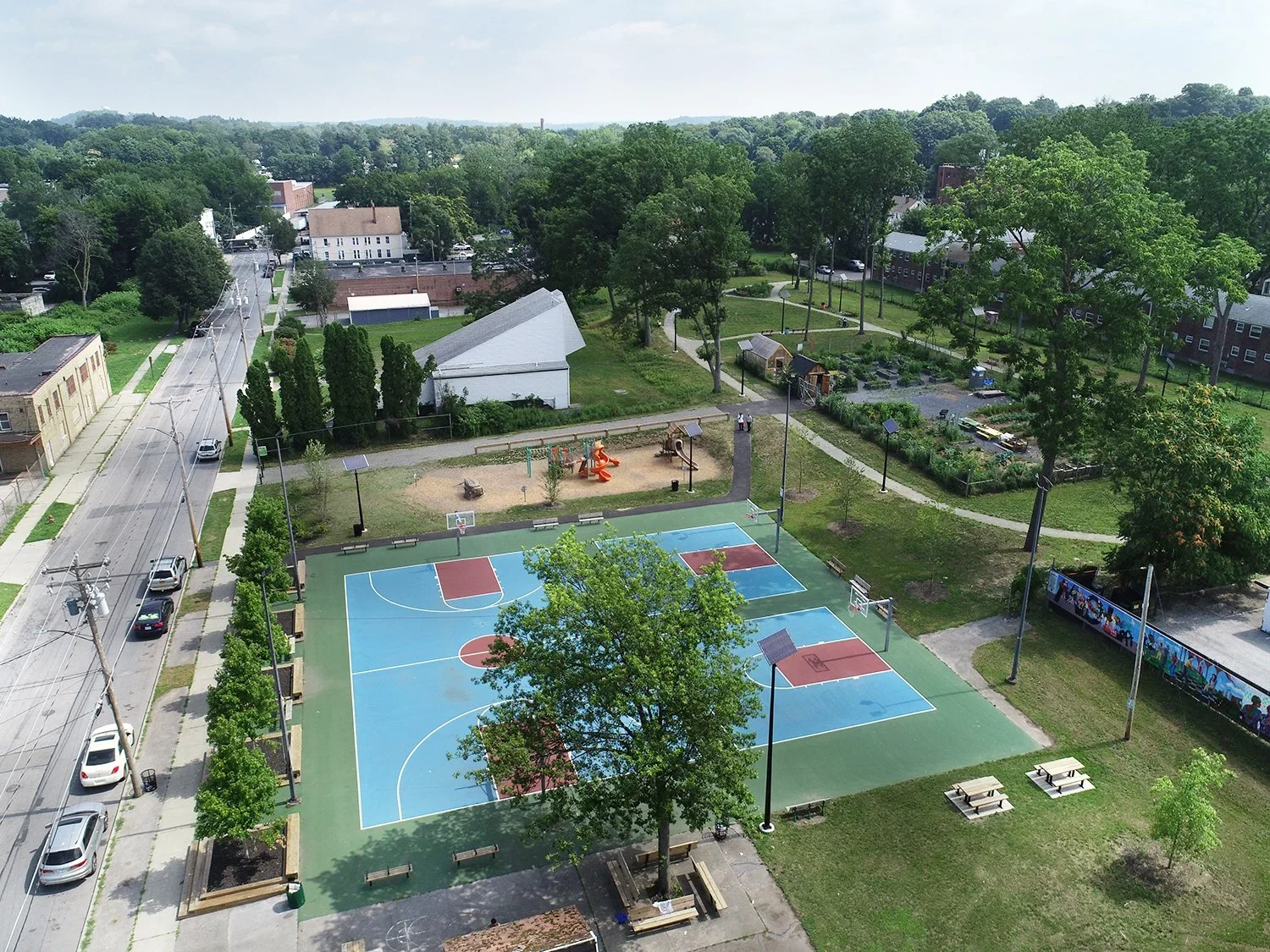
Poughkeepsie, once New York State’s capital, is a Hudson River city known for its rich history. While manufacturing once thrived, today over 17% of city residents live in poverty. NCP partnered with the City to completely rehabilitate three long neglected recreational spaces in the Northside neighborhood, renewing recreational opportunities and contributing to ongoing efforts to revitalize downtown.
31,958
Population
17.6%
Poverty
New City Parks is a nonprofit, tax-exempt charitable organization under Section 501(c)(3) of the Internal Revenue Code. Your contribution is 100% tax-deductible to the fullest extent of the law. Tax ID #27-4359120.
Copyright © 2022, New City Parks. | 71 W 23rd St, Suite 903, New York, NY 10010